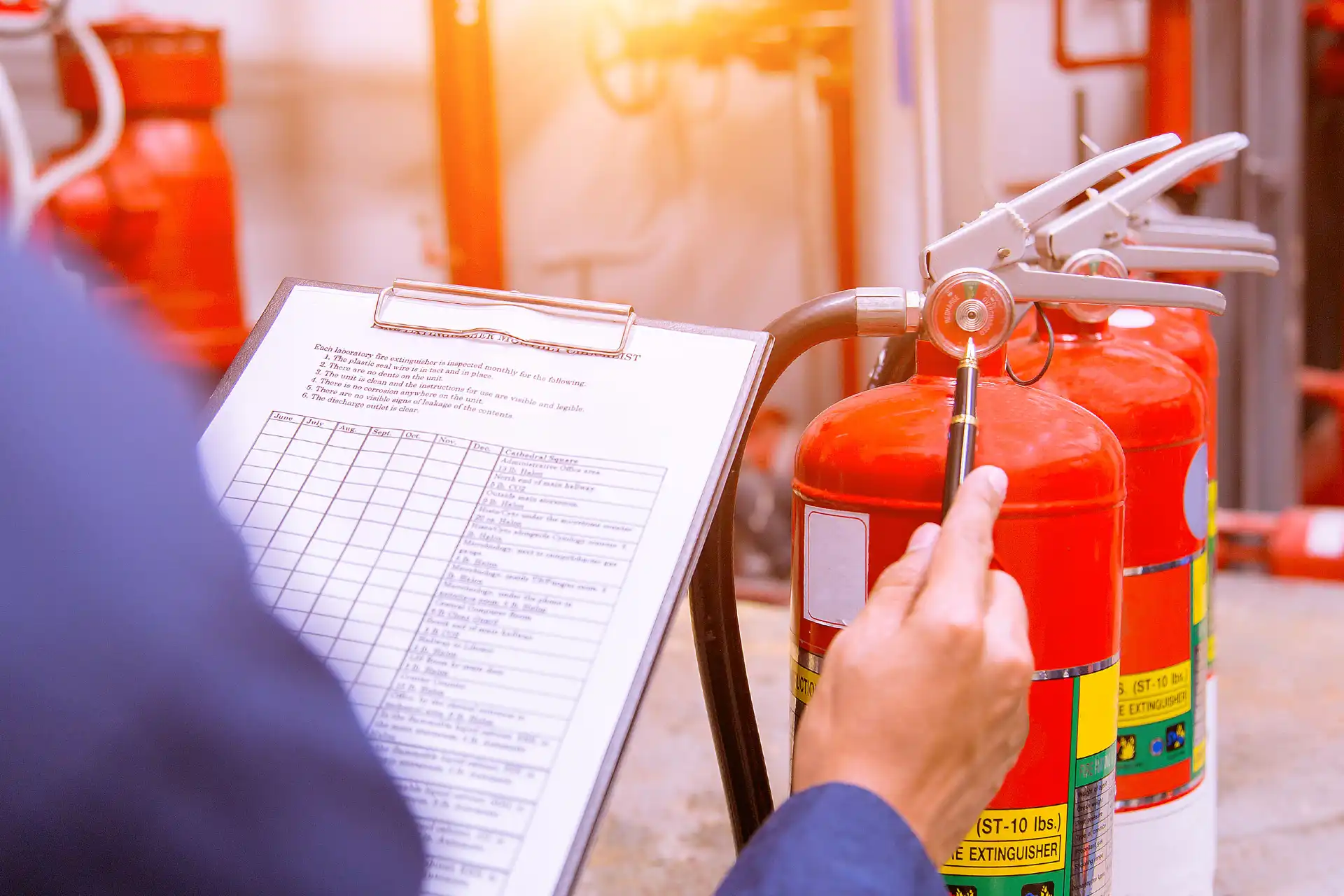
Fire safety in schools and educational institutions is a critical responsibility due to the presence of large numbers of children, staff, and visitors. Schools often have complex layouts, varied activities, and individuals who may not be able to respond quickly during emergencies. A fire risk assessment for educational institutions helps identify hazards, reduce risks, and ensure safe evacuation for everyone on the premises.
Importance of Fire Risk Assessment in Educational Settings
Schools and educational institutions face unique fire safety challenges. Classrooms, laboratories, kitchens, libraries, and assembly halls all present different fire risks. Children and young students may not fully understand emergency procedures, making effective planning essential.
A fire risk assessment helps protect students, teachers, support staff, and visitors by identifying potential fire hazards and ensuring appropriate safety measures are in place. It also supports compliance with fire safety laws and education authority requirements.
Legal Responsibilities and Accountability
Fire safety legislation places responsibility on the organization or individual in control of the school premises. This may include school governors, headteachers, local authorities, or private education providers.
The responsible person must ensure that a suitable fire risk assessment is carried out, implemented, and reviewed regularly. They are also accountable for maintaining fire safety systems, providing training, and ensuring effective evacuation procedures.
See also: Company Formation and Business Compliance Essentials
Identifying Fire Hazards in Schools
Schools contain a wide range of fire hazards that must be carefully assessed. Common ignition sources include electrical equipment, science laboratory apparatus, heating systems, and kitchen appliances.
Fuel sources may include books, paper, furniture, art supplies, chemicals used in laboratories, and cleaning materials. Temporary hazards such as stage lighting, decorations, or event equipment should also be considered during the assessment.
Protecting Students, Staff, and Visitors
A key focus of fire risk assessment in schools is identifying people at risk. This includes students of different age groups, teaching staff, administrative staff, contractors, parents, and visitors.
Special consideration must be given to young children, students with disabilities, and individuals with limited mobility. Personal emergency evacuation plans may be required for those who need additional assistance during evacuation.
Fire Detection, Warning, and Safety Systems
Effective fire detection and warning systems are essential in educational buildings. Fire alarms must be audible throughout the premises and suitable for noisy environments such as workshops or sports halls.
Smoke detectors, heat detectors, emergency lighting, and fire doors should be installed and maintained according to regulations. Firefighting equipment such as extinguishers should be appropriate for the risks present and accessible to trained staff.
Escape Routes and Evacuation Planning
Safe evacuation is a critical aspect of fire safety in schools. Escape routes must be clearly marked, well-lit, and kept free from obstructions. Emergency exits should be easy to open and lead to safe assembly areas.
Evacuation plans should be clear, simple, and regularly practiced. Fire drills should be conducted frequently to ensure students and staff understand procedures and can evacuate calmly and efficiently.
Training, Drills, and Fire Safety Awareness
Fire safety training is essential for staff members, including teachers, administrators, and support staff. Training should cover alarm response, evacuation procedures, and emergency responsibilities.
Fire drills help reinforce training and allow schools to test evacuation plans under realistic conditions. Fire safety awareness should also be incorporated into student education in an age-appropriate manner.
Reviewing and Updating Fire Risk Assessments
Fire risk assessments in schools must be reviewed regularly and updated whenever changes occur. This includes building modifications, changes in student numbers, new equipment, or changes in school activities.
Regular reviews ensure that fire safety measures remain effective and suitable for the school environment.
Conclusion
Fire risk assessment for schools and educational institutions is essential for protecting students, staff, and visitors. By identifying hazards, planning effective evacuations, maintaining safety systems, and reviewing assessments regularly, schools can create a safer learning environment. Fire risk assessments are not only a legal requirement but a vital part of responsible educational management.